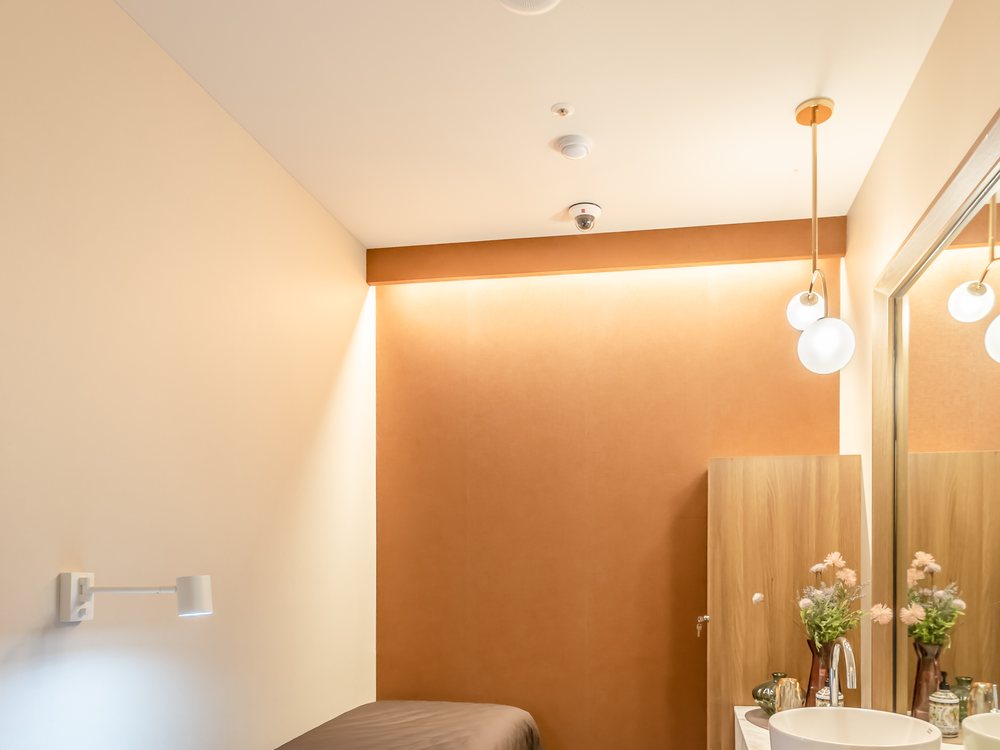
Double eyelid surgery in Seoul has become one of the most sought-after cosmetic procedures for international patients, with the city’s Gangnam and Apgujeong districts housing some of Asia’s most advanced oculoplastic surgery centers. Understanding the recovery process is essential for planning your medical tourism journey, as it directly impacts your travel schedule, accommodation needs, and final results. Discover /p>seouldermatologykorea.com.
This comprehensive guide covers everything international patients need to know about double eyelid surgery recovery in Seoul, from immediate post-operative care to long-term healing milestones. Korean surgeons follow protocols regulated by the Ministry of Health and Welfare (MOHW) and adhere to standards set by the Korean Association of Medical Specialists (KAMS), ensuring internationally recognized care quality. Read about korean clinic reviews review.seoul before.dermatology in seoul.
Understanding Double Eyelid Surgery Recovery Timeline
The recovery timeline for double eyelid surgery varies significantly between incisional and non-incisional methods, with most Seoul clinics providing detailed day-by-day recovery protocols. International patients typically require 7-14 days in Seoul, though individual healing rates differ based on technique, age, and adherence to post-operative instructions. Learn about /p>seoul dermatology.
Immediate Post-Operative Period (Day 0-3)
The first 72 hours represent the most critical phase of recovery. Immediately after surgery, patients experience significant swelling and bruising around the eyelids, which peaks around 48-72 hours post-procedure. Seoul clinics typically keep patients under observation for 1-2 hours before discharge, providing detailed Korean and English instructions for home care. Learn about /p>
During this period, cold compresses applied for 10-15 minutes every hour while awake significantly reduce swelling. Korean surgeons emphasize sleeping with the head elevated at 30-45 degrees to minimize fluid accumulation. Most patients experience minimal pain, rated 2-4 on a 10-point scale, easily managed with prescribed analgesics. Vision may be slightly blurred due to swelling and protective ointment application.
Seoul’s advanced post-operative care includes access to 24/7 emergency hotlines with English-speaking staff, a service standardized across MOHW-registered facilities. Patients staying in nearby hotels in Gangnam receive detailed maps to their clinic for follow-up visits, typically scheduled for day 2 or 3.
Early Recovery Phase (Day 4-7)
Swelling begins decreasing noticeably from day 4, with most patients reporting 40-50% reduction by day 7. Bruising transitions from deep purple to yellow-green as it resolves. Non-incisional technique patients generally experience faster resolution, with 60-70% of swelling subsiding within this timeframe compared to 40-50% for incisional methods.
Suture removal occurs between days 5-7 for incisional surgery patients at Seoul clinics. This quick procedure takes 5-10 minutes and causes minimal discomfort. The surgical line becomes more visible after suture removal but appears as a thin red line that fades progressively over months.
Most international patients can resume light activities and sightseeing by day 5-6, though wearing sunglasses remains essential. Korean clinics provide UV-protective eyewear recommendations specific to Seoul’s climate. Light walking is encouraged to promote circulation, but strenuous activity remains prohibited.
Middle Recovery Phase (Week 2-4)
By week 2, approximately 60-70% of swelling has resolved for incisional patients and 80-85% for non-incisional patients. Most individuals feel comfortable returning to work and social activities, particularly with light makeup application permitted from day 10-14 depending on surgeon protocols.
The eyelid crease becomes more defined during this phase, though asymmetry between eyes is common and expected. Korean surgeons emphasize that perfect symmetry develops gradually as differential swelling resolves. Incision lines continue fading from red to pink, with silicone gel sheets or creams often recommended for optimal scar healing.
Residual swelling manifests as morning puffiness that decreases throughout the day. This pattern continues for 2-3 months but becomes progressively less noticeable. Contact lens wear is typically permitted after 2-3 weeks, though Korean ophthalmologists recommend conservative timelines for optimal healing.
Late Recovery Phase (Month 2-6)
Subtle refinements continue through six months post-surgery. Residual swelling, imperceptible to others but noticeable to patients, gradually resolves. The crease line softens and naturalizes, with scar tissue remodeling occurring beneath the surface. Studies published in PubMed indicate that final aesthetic outcomes are best evaluated at 6-12 months post-operatively when complete tissue remodeling has occurred.
Korean surgeons schedule follow-up appointments at 1, 3, and 6 months for international patients, with telemedicine options available for those who have returned home. High-resolution photography documenting healing progression is standard practice at Seoul’s leading clinics. Any minor asymmetries typically self-correct during this phase as tissue maturation equalizes between eyes.
Post-Operative Care Protocols in Seoul Clinics
Seoul’s medical infrastructure provides comprehensive post-operative support systems specifically designed for international patients. Understanding these protocols ensures optimal recovery and helps justify the city’s reputation for superior cosmetic surgery outcomes.
Immediate Aftercare Instructions
Korean clinics provide detailed bilingual aftercare kits including sterile gauze, antibiotic ointment, prescribed medications, and cold compress packs. Instructions specify exact timing for medication, wound cleaning, and compress application. Most facilities use QR codes linking to video demonstrations in multiple languages, eliminating confusion about proper technique.
Wound cleaning protocols involve gentle saline solution application twice daily using provided sterile cotton swabs. Antibiotic ointment is applied along the suture line to prevent infection and keep tissues moist. Korean surgeons emphasize avoiding water contact with incisions for the first 48-72 hours, after which careful cleansing with mild, fragrance-free cleansers is permitted. Read about seoul reviews.
Medication regimens typically include oral antibiotics for 5-7 days, anti-inflammatory drugs, and pain relievers as needed. Some clinics incorporate traditional Korean herbal supplements promoting circulation and reducing bruising, though evidence-based approaches remain the standard. All medications provided meet Korean FDA (MFDS) approval standards equivalent to US FDA regulations.
Swelling and Bruising Management
Seoul clinics employ advanced techniques to minimize post-operative swelling and bruising. Beyond standard cold compress protocols, many facilities offer complimentary lymphatic drainage massage sessions performed by trained aestheticians starting from day 3-5. These gentle massage techniques, based on Korean traditional medicine principles adapted with modern medical understanding, facilitate fluid drainage and accelerate healing.
Bromelain supplements and arnica montana are commonly recommended, with PubMed studies supporting their efficacy in reducing periorbital bruising following blepharoplasty procedures. Korean pharmacies near Gangnam clinics stock these supplements specifically for post-surgical patients, with English-labeled packaging and dosing instructions.
Dietary recommendations emphasize low-sodium intake to reduce fluid retention, with Seoul’s abundant healthy food options making compliance easier. Clinics provide lists of nearby restaurants offering post-surgery appropriate meals. Alcohol and smoking are strictly prohibited for minimum 2-4 weeks as both significantly impair healing and increase complication risks.
Follow-Up Appointment Schedule
Standard follow-up protocols include appointments on days 2-3, 5-7 (suture removal), 14, and months 1, 3, and 6. Initial appointments assess healing progress, identify any early complications, and adjust care protocols as needed. Photography at each visit documents healing progression and provides valuable records for patients.
For international patients departing Seoul before all follow-ups are complete, telemedicine consultations via secure video platforms ensure continuity of care. Patients submit photographs according to clinic-provided guidelines, and surgeons assess healing remotely. This system, accelerated during the COVID-19 pandemic, has become standard practice at leading Seoul facilities.
Emergency protocols provide 24/7 access to English-speaking medical staff. Contact information for after-hours concerns is provided in multiple formats, and most Gangnam clinics maintain relationships with nearby hospitals for urgent care needs. MOHW regulations require all surgical facilities to have emergency transfer protocols in place.
Factors Affecting Recovery Speed and Quality
Individual recovery experiences vary based on multiple factors, from surgical technique to patient-specific biological characteristics. Understanding these variables helps set realistic expectations and optimize healing outcomes. Worth checking /p>
Surgical Technique Differences
Non-incisional (suture) methods typically offer faster recovery with less swelling and no visible scarring. Most patients achieve 80-90% healing within 7-10 days, making this option popular among international patients with limited Seoul stay duration. However, this technique is suitable only for patients with specific eyelid anatomies, as determined by surgeon assessment.
Incisional methods involve longer recovery due to tissue manipulation and suturing, with 70-80% healing achieved by 14 days. The trade-off includes more permanent, predictable results suitable for broader patient populations, including those with excess skin or fat requiring removal. Partial incision techniques offer middle-ground recovery times, popular at Korean clinics for their balance between invasiveness and longevity.
Advanced Korean techniques like micro-incision and buried suture methods continue evolving, with Seoul surgeons often pioneering approaches that minimize trauma and accelerate healing. Board-certified surgeons affiliated with KAMS regularly present innovations at international conferences, maintaining Korea’s reputation for technical advancement.
Age and Skin Quality Considerations
Younger patients (20s-30s) generally experience faster healing due to better skin elasticity and circulation. Swelling resolves more quickly, and final results often appear sooner. Older patients require additional recovery time, particularly those over 50, though Seoul surgeons excel at achieving natural results across all age groups.
Skin thickness significantly impacts recovery and final aesthetic outcomes. Patients with thinner eyelid skin show more visible initial bruising but faster overall resolution. Those with thicker skin experience less dramatic bruising but longer swelling duration. Korean surgeons assess these factors during consultation to provide accurate recovery timelines.
Pre-existing conditions like diabetes, autoimmune disorders, or bleeding disorders extend recovery and increase complication risks. Seoul clinics require comprehensive medical histories and may request clearance from patients’ primary physicians before proceeding. MOHW standards mandate thorough pre-operative screening to ensure patient safety.
Lifestyle and Compliance Factors
Patient adherence to post-operative instructions is the single most significant controllable factor affecting recovery quality. Those who consistently apply cold compresses, take prescribed medications, avoid prohibited activities, and attend all follow-ups achieve optimal results. Seoul clinics report that international patients often demonstrate higher compliance rates due to the investment in medical travel.
Smoking causes vasoconstriction that dramatically impairs healing, increases infection risk, and compromises final aesthetic outcomes. Korean surgeons uniformly require smoking cessation minimum 2 weeks before and 4 weeks after surgery. Non-compliance can void surgical warranties and follow-up care commitments.
Sleep quality and stress management significantly influence healing. Seoul’s accommodation options near medical districts in Gangnam and Apgujeong range from medical hotels with recovery-optimized rooms to luxury hotels offering concierge medical tourism services. Quiet, comfortable environments promote better rest and faster recovery.
Managing Complications and Concerns During Recovery
While double eyelid surgery in Seoul maintains excellent safety records, understanding potential complications and their management ensures informed decision-making and appropriate response if issues arise.
Common Minor Complications
Asymmetric swelling affects nearly all patients during early recovery and rarely indicates problems. Differential swelling between eyes typically equalizes within 2-4 weeks as healing progresses at slightly different rates. Korean surgeons educate patients extensively about this normal phenomenon to prevent unnecessary anxiety.
Mild infections occur in less than 1% of cases at MOHW-regulated facilities, presenting as increased redness, warmth, pain, or discharge. Immediate antibiotic treatment resolves most cases without impacting final results. Seoul clinics’ robust infection control protocols and sterile technique training maintain these low complication rates.
Milia (small white cysts) occasionally develop along incision lines as skin heals. These are easily extracted during follow-up appointments and don’t affect final outcomes. Korean clinics consider this routine post-operative maintenance rather than a true complication.
Overcorrection or undercorrection perceptions during early healing are common but usually resolve as swelling subsides. True revisions are rarely needed before the 6-month mark when final results are properly assessable. Seoul surgeons counsel patience during the refinement phase rather than rushing to secondary procedures.
Serious Complications Requiring Attention
Vision changes beyond expected temporary blurriness require immediate evaluation. Severe pain, sudden vision loss, or significant visual disturbances may indicate rare but serious complications requiring urgent intervention. Seoul’s medical infrastructure ensures rapid access to specialized ophthalmologic care when needed.
Hematoma (blood collection) presents as rapidly increasing swelling, asymmetry, and pain, typically within the first 24-48 hours. This requires prompt drainage to prevent tissue damage and poor scarring. Incidence rates at leading Seoul clinics remain below 0.5% due to meticulous surgical hemostasis and blood pressure management.
Scarring concerns arise when incision lines remain raised, red, or symptomatic beyond expected timelines. Hypertrophic scarring or keloid formation, while rare in eyelid tissue, requires specialized treatment including silicone sheets, corticosteroid injections, or laser therapy. Korean clinics excel at scar management with advanced technologies and traditional herbal treatments showing promise in clinical studies.
Lagophthalmos (incomplete eyelid closure) is a serious complication requiring revision surgery if persistent beyond several months. Modern Korean surgical techniques minimizing tissue removal have reduced this complication to near-zero rates at experienced surgeons’ practices. Board-certified surgeons with KAMS affiliation demonstrate the lowest complication rates according to registry data.
When to Contact Your Surgeon
Immediate contact is warranted for vision changes, severe pain unrelieved by prescribed medication, signs of infection, rapidly increasing swelling or asymmetry, or any concerning symptoms. Seoul clinics provide multiple communication channels including phone, messaging apps (KakaoTalk, WhatsApp), and email with guaranteed response timeframes.
Routine questions about normal healing variations can typically wait until scheduled follow-up appointments. However, Korean medical culture encourages patient communication, and clinics prefer addressing concerns promptly rather than having anxious patients delay necessary interventions. The comprehensive aftercare included in surgical packages covers these consultations without additional fees.
Optimizing Your Recovery Experience in Seoul
Strategic planning maximizes both recovery quality and the medical tourism experience, turning necessary healing time into an opportunity to experience Korean culture while ensuring optimal surgical outcomes.
Accommodation Considerations
Staying within 10-15 minutes of your surgical clinic in Gangnam or Apgujeong is essential for the first week. Medical hotels specializing in post-operative care offer refrigerators for ice packs, adjustable beds for elevation, and blackout curtains for rest. English-speaking staff familiar with post-surgical needs provide valuable support for international patients.
Standard hotel amenities become important during recovery. Rooms with bathtubs allow easier hair washing while avoiding direct water contact with healing incisions. Mini-bars and nearby convenience stores (ubiquitous in Seoul) enable adherence to dietary recommendations without venturing far. Many Gangnam hotels partner with clinics to offer medical tourism packages including transportation to appointments. Read about top seoul dermatology.
Private accommodation through platforms like Airbnb offers more space and kitchen facilities for longer stays, though proximity to clinics remains paramount. Seoul’s excellent public transportation system provides backup access, but walking distance is preferable during early recovery when energy levels are lower.. Read about top seoul skin clinic.
Preparing Before Arrival
Pre-surgery preparation significantly impacts recovery quality. Patients should arrive in Seoul 1-2 days before surgery to adjust to time zone differences, complete pre-operative assessments, and finalize surgical plans. This buffer prevents rushing and ensures optimal physical condition for the procedure.
Packing essentials include front-opening comfortable clothing to avoid pulling over the head, sunglasses for UV protection and privacy, and entertainment for rest periods. Korean clinics provide most medical supplies, but personal comfort items like favorite pillows or sleep aids enhance the recovery environment.
Pre-arranging translation assistance for non-English speaking situations, understanding Korean pharmacy basics, and downloading helpful apps (Naver Maps, Papago translator, KakaoTalk) smooth daily logistics. Seoul’s medical district infrastructure caters to international patients, but preparation reduces stress during recovery when energy is limited.
Activity Guidelines During Recovery
The first week requires significant rest with limited physical activity. Light walking is encouraged to promote circulation, but anything elevating heart rate or blood pressure must be avoided. Seoul’s parks and gentle walking paths near Gangnam provide appropriate activity options once permitted by surgeons.
Screen time should be limited during the first 3-5 days to reduce eye strain and allow healing. Most patients underestimate this challenge in our digital age. Audiobooks, podcasts, and light music provide entertainment without visual fatigue. Korean streaming services offer English content, and many Seoul accommodations provide entertainment systems.
Exercise restrictions vary by technique but generally include no strenuous activity for 2-3 weeks, no swimming or submersion for 4 weeks, and gradual return to full activity by 6 weeks. Korean gym culture and Seoul’s hiking trails become accessible during late recovery phases, allowing patients to experience local fitness culture as healing completes. Read about board certified dermatologist seoul.
Social activities and sightseeing are possible from week 2 onward with some modifications. Sunglasses remain essential for UV protection and privacy if self-conscious about residual swelling or bruising. Seoul’s indoor attractions, shopping districts, and food culture provide abundant recovery-appropriate activities. Most patients find the 14-day stay passes quickly when balanced between rest and gentle cultural exploration.
Nutrition and Supplementation
Korean cuisine offers excellent post-surgical nutrition options with emphasis on vegetables, lean proteins, and anti-inflammatory ingredients. Traditional dishes like seaweed soup (miyeok-g